







Search Results for: Hacienda Garden
Costa Rica Coffee Garden Estate: A Comprehensive Interpretation of the Flavor Characteristics of Washed Green Beans
Costa Rica is an important coffee-producing country in Central America, home to numerous specialty coffee estates, and Finca Coffee Garden is one of them. Since its establishment in 1989, this estate has earned high recognition in both national and international COE competitions in 2008, thanks to its superior geographical environment and continuous technological investment. Even more remarkable is that some Red Catuai and Yellow Catuai coffee trees on the estate spontaneously mutated, producing rare orange fruits that have drawn widespread attention from the international coffee community. This article will guide you through the development history of Finca Coffee Garden, outline Costa Rica's coffee-growing history, the distribution of its eight major production regions, the characteristics of its main varieties, and its grading system, and include Front Street Coffee's brewing recommendations, providing coffee enthusiasts with a complete reference guide. [more…]

Panama Geisha Coffee Bean Flavor Analysis: Hacienda La Esmeralda Origins, Regional Growing Differences, and Front Street Coffee Roasting Recommendations
Geisha coffee beans are renowned worldwide for their delicate floral aroma and tropical fruit notes, and Hacienda La Esmeralda in Panama is precisely the key force that propelled it to the pinnacle. This article begins with the appearance and aroma characteristics of Front Street Geisha coffee beans' green beans, then gradually sorts through the origin story of this bean, the variety's spread and history, and the flavor differences presented after cultivation in different regions. At the same time, the article will also explore roasting approaches and brewing methods suitable for Geisha, helping coffee enthusiasts gain a more comprehensive understanding of the unique charm of this star variety. [more…]
A Complete Guide to Hacienda La Esmeralda Geisha Grades: Red and Green Label Plot Divisions and Geisha Flavor Descriptions
The grading system of Hacienda La Esmeralda's Geisha has always been a focal point in the specialty coffee world. Since the 2022 harvest season, with El Velo farm entering commercial production, the Peterson family has redefined the two major grades, Red Label and Green Label, and the Green Label has also begun to indicate specific harvest plots. This article, from the perspective of Front Street Coffee, systematically reviews the microclimates and cultivation details of Hacienda La Esmeralda's three major plots—Jaramillo, Cañas Verdes, and El Velo—explains in detail the evaluation criteria and flavor profiles of Red Label (Esmeralda Special) and Green Label (Private Collection), and includes the pour-over parameters and brewing steps for Front Street's Esmeralda Red Label Geisha, helping coffee enthusiasts gain a more comprehensive understanding of the terroir expression of this legendary variety. [more…]
A Full Guide to Hacienda La Esmeralda's Geisha Plots in Panama: The Red-Tag and Green-Tag Grading System and Brewing Parameters
The Geisha grading system of Panama's Hacienda La Esmeralda has long been a hot topic of discussion in the coffee world. Since the El Velo estate began commercial operations in the 2022 harvest season, the Peterson family has given a new definition to Geisha grades, and Green Label lots have also begun to indicate the source of the harvesting plot. This article, starting from the new perspective of plot division, systematically sorts out the microclimate characteristics and subdivided plots of Hacienda La Esmeralda's three major Geisha growing areas—Jaramillo, Cañas Verdes, and El Velo—explains in detail the evaluation criteria and flavor differences of the two major grades, Red Label (Esmeralda Special) and Green Label (Private Collection), and includes Front Street Coffee's practical pour-over parameters and tasting notes for Red Label Geisha. [more…]
The Origin of Geisha Coffee Beans, Flavor Differences Between Hacienda La Esmeralda's Red, Green, and Blue Labels, and Front Street Brewing Guide
Geisha coffee beans, with their iconic floral aroma and delicate fruit acidity, have become one of the most sought-after varieties in the specialty coffee world. From the perspective of Front Street Coffee, this article traces Geisha's journey from the forests of Ethiopia to Hacienda La Esmeralda in Panama, analyzes the microclimate differences among the estate's three major plots—Jaramillo, Cañas Verdes, and El Velo—and explains one by one the processing methods, flavor profiles, and Front Street roasting curves for the three grades: Red Label, Green Label, and Blue Label. The article also documents Front Street's actual brewing parameters for Geisha—coffee-to-water ratio, water temperature, and staged pouring technique—helping coffee enthusiasts understand the taste differences brought by different processing methods. [more…]
The Origins and Regional Flavors of Geisha Coffee: A Complete Analysis Comparing Panama and Ethiopian Geisha
Geisha is arguably the crown jewel of specialty coffee and one of the most expensive coffee varieties in the world. When many people first hear the name Geisha, what comes to mind is often Hacienda La Esmeralda in Panama, but the variety actually originated deep in the forests of Ethiopia. From its discovery in 1931, through its journey to Kenya, Uganda, and Costa Rica, to its sensational debut in Panama, Geisha has traveled a long and winding road. This article will systematically trace the history of Geisha, compare the flavor differences between the two major producing regions of Panama and Ethiopia, and introduce Hacienda La Esmeralda's grading system as well as Front Street Coffee's diverse lineup of Geisha selections, giving you a comprehensive understanding of this legendary bean. [more…]
Traceability of the Geisha Coffee Bean Variety and an Analysis of the Flavor Grade of Las Rocas Volcanic Rock New Blue Label Geisha
Geisha coffee beans have always been a highly anticipated variety in the specialty coffee world. From the primitive forests of Ethiopia to Hacienda La Esmeralda in Panama, they have conquered countless coffee lovers with their floral aromas and delicate fruit acidity. At Front Street Coffee stores, customers often ask about the variety's story, the differences between producing regions, and the flavor changes brought by natural and washed processing methods. This article will systematically outline Geisha's discovery and spread, Hacienda La Esmeralda's red, green, and blue label grading system, and focus on the Las Rocas volcanic rock Geisha that appeared in the 2021 new harvest—it actually comes from Hacienda La Esmeralda, and its flavor is highly similar to previous washed blue label lots. It also includes Front Street's roasting curves and pour-over parameters for various Geisha coffees, helping readers gain a comprehensive understanding of this legendary bean variety. [more…]
Geisha Coffee Quality Grades and Price Analysis: A Complete Guide to Its History, Green Bean Appearance, and Pour-Over Flavor
Geisha coffee is hailed as the champion variety among specialty coffees, renowned worldwide for its full-bodied sweetness, clean mouthfeel, and rich floral and fruity aromas. From its quiet export origins in Ethiopia's Geisha Mountains to its meteoric rise at Hacienda La Esmeralda in Panama, Geisha has traversed a legendary journey spanning more than seventy years. This article will guide you through the historical trajectory of Geisha coffee, the appearance characteristics of green and roasted beans, the flavor differences across various origins, and the brewing parameters recommended by Front Street Coffee for the Savage series Geisha from Panama's Deborah Estate, offering coffee enthusiasts a complete Geisha tasting guide. [more…]
The Origins and Legend of Geisha Coffee: From Ethiopia's Gesha Mountain to Gesha Village's Red Label
Geisha coffee is one of the most sought-after varieties in today's specialty coffee world, having won over countless coffee lovers with its intense floral aroma, tropical fruit notes, and light tea-like body. But did you know that this variety, which now shines so brightly in Panama, Colombia, and beyond, originally came from the Gesha mountainous region in southwestern Ethiopia? This article, from the perspective of Front Street Coffee, traces the origins of Geisha, tells the story of the founding of Gesha Village, and provides a detailed introduction to its Red Label Geisha—its variety, plots, processing methods, and Front Street's brewing recipe—taking you through the complete story of this legendary coffee, past and present. [more…]
Panama Geisha Coffee Flavor Analysis and Three Brewing Methods: Pour-Over, French Press, and Cold Brew
Panama Geisha coffee is world-famous for its floral aroma, tropical fruit notes, and intense sweetness, making it a star variety in specialty coffee. It originates from ancient heirloom varieties in Ethiopia, was later introduced to Panama via Costa Rica, and rose to fame after being discovered by Hacienda La Esmeralda. Different terroirs across producing regions give Geisha strikingly different flavor expressions. This article will guide you through Geisha's historical origins, the characteristics of Panama's producing regions, and its cupping flavors, and will also detail three brewing methods for Front Street Coffee Geisha—pour-over, French press, and cold brew—so you can easily present this cup of floral, aromatic specialty coffee at home. [more…]
What Are the Differences Between Geisha and Yirgacheffe? A Full Analysis of Origin, Variety, Flavor, and a Front Street Coffee Brewing Comparison
Geisha and Yirgacheffe both carry citrus and berry notes, yet their prices differ dramatically—what are the essential differences between the two? From the perspective of Front Street Coffee, this article systematically sorts out the similarities and differences between Geisha and Yirgacheffe in terms of origin, historical context, coffee variety, flavor performance, roasting approach, and brewing parameters. You will learn how Geisha traveled from the forests of Ethiopia to Hacienda La Esmeralda in Panama and set auction records, and you will also see how the Yirgacheffe Red Cherry Project creates clean fruit flavors through refined processing. Whether you are a beginner just starting out or an enthusiast who wants to understand specialty coffee in depth, you can gain clear comparative insights and practical brewing references from it. [more…]
Exploring the Birthplace of Geisha Coffee: The Legendary Journey from Gesha Mountain in Ethiopia to Geisha Village Estate
Geisha coffee is hailed as the new king of specialty coffee, conquering countless coffee lovers with its rich floral aroma and tropical fruit notes. Yet where exactly does this legendary coffee originate? And how did it travel from the wild forests of Ethiopia to the world stage? This article will trace the mystery of Geisha coffee's origins—from the native variety on Gesha Mountain to the founding of Gesha Village Coffee Estate, from the forest expeditions of Bench Maji to the astonishing prices at international auctions—offering a comprehensive overview of Geisha coffee's origin history and variety classification. At the same time, Front Street Coffee will also share the brewing parameters and flavor profile of Gesha Village Red Label Geisha, providing a professional reference for your tasting. [more…]
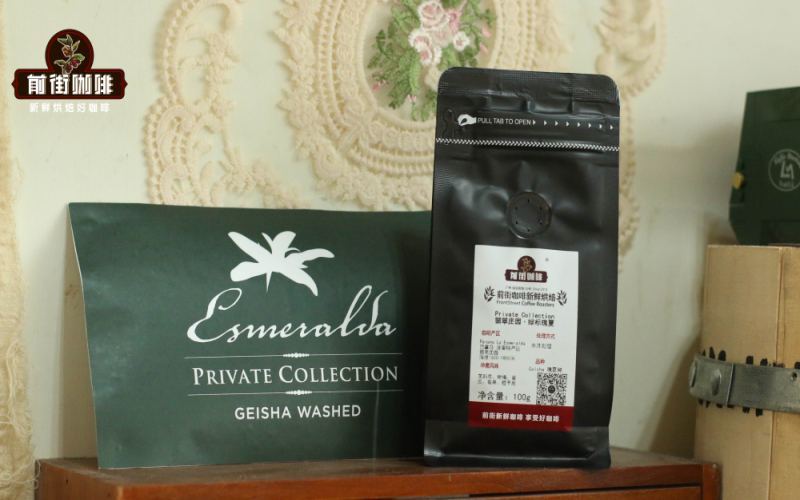
Comprehensive Comparison of Geisha and Yirgacheffe: Variety Origins, Flavor Differences, and Front Street Brewing Guide
Coffee enthusiasts often wonder: why is the price of Geisha far higher than that of Yirgacheffe? Both carry citrus and berry notes, yet one is the king of specialty coffee, while the other is hailed as the top choice for beginners. In this article, Front Street Coffee (FrontStreet Coffee) will analyze the core differences between Geisha and Yirgacheffe one by one, from origin background, historical roots, variety characteristics, flavor expression, and roasting curves to brewing parameters. Whether you are a novice just getting into specialty coffee or a seasoned connoisseur eager to delve deeper into the mysteries of varieties, you will gain clear understanding and practical reference from it. [more…]
A Complete Flavor Analysis of Ethiopia's Specialty Coffee Regions: Origin Characteristics and Grading Systems from Yirgacheffe to Harrar
The core philosophy of specialty coffee lies in presenting the unique regional flavors of its origin, and Ethiopia, as the birthplace of Arabica coffee, boasts numerous distinctive production regions such as Yirgacheffe, Sidamo, Harrar, and Limu, each displaying vastly different flavor profiles due to variations in altitude, processing methods, and varieties. This article systematically reviews the flavor characteristics, grading systems, and variety overviews of major Ethiopian coffee regions, while also introducing the naming conventions and information labeling methods for specialty coffee beans, helping coffee enthusiasts gain a deeper understanding of this rich African coffee kingdom. Front Street Coffee (FrontStreet Coffee) also shares in the article the brewing practices for Sidamo Huakui, for readers' reference. [more…]
Typica and Arabica Relationship Explained: Coffee Variety Classification, Flavor Characteristics, and Processing Methods Overview
Many people ask what exactly the difference is between Typica and Arabica—in fact, Typica is an ancient variety under the Arabica species. This article starts with the three major native coffee species, outlining the characteristic differences between Arabica, Robusta, and Liberica, then takes a deeper look at the origins, flavor profiles, and cultivation traits of well-known varieties such as Typica, Bourbon, Caturra, Catuai, and Geisha. It also combines the growing regions, altitudes, and processing methods of several representative products from Front Street Coffee to help coffee enthusiasts build a clear framework for understanding coffee varieties. [more…]

Specialty Coffee Drip Bag Black Coffee Recommendations | Illustrated Tutorial on How to Brew Drip Bag Coffee: What Are Common Mistakes in Drip Bag Coffee Brewing?
For the same beans, freshly roasted coffee and drip bags will have certain differences in flavor, because once coffee is ground into powder, its natural aromas disappear quickly. Of course, Front Street Coffee also has quite a few regular customers who request that the beans be ground before shipping, and in such cases Front Street Coffee generally recommends drinking it as soon as possible. Of course, compared with pour-over, drip bags are [more…]

Specialty Drip Bag Black Coffee Brand Ranking | How to Properly Brew Drip Bag Coffee? What Are the Key Considerations for Drip Bag Coffee Brewing Ratio, Extraction Time, and Water Temperature?
For the same beans, freshly roasted coffee and drip bags will have some differences in flavor, because once coffee is ground into powder, its natural aroma disappears quickly. Of course, Front Street Coffee also has many regular customers who request that the coffee be ground before shipping, and in such cases Front Street Coffee generally recommends drinking it as soon as possible. Of course, compared with pour-over, drip bags are [more…]

How Should You Brew Drip Bag Coffee Correctly? From Blooming to Coffee-to-Water Ratio, a Full Flavor Analysis of Ten Specialty Drip Bag Brands
Drip bag coffee, with its portability and ease of use, has become the top choice for many people drinking specialty coffee daily. But the seemingly simple four steps—tear, hang, pour, remove—actually hide many details that are easy to get wrong. Based on Front Street Coffee's hands-on experience, this article systematically sorts out the correct brewing process for drip bag coffee and four common operational mistakes, and shares three key techniques for enhancing flavor: pouring water with a narrow-spout kettle, controlling the coffee-to-water ratio, and managing water temperature. At the end, it lists ten representative drip bag products under Front Street, covering regional flavors such as Panama Butterfly, Kenya Little Tomato, Yirgacheffe Red Cherry, Mandheling, and Brazil Cerrado, with options ranging from acidic, full-bodied, to winey, making it easy to choose according to taste. [more…]
Does Specialty Coffee Only Mean Arabica? A Full Analysis of the Three Native Species and Common Arabica Varieties
The variety of coffee beans directly influences the flavor profile in the cup and also determines the growing conditions and disease resistance of the coffee tree. In the specialty coffee world, Arabica is the absolute dominant species, but Arabica is not the only answer for specialty coffee. This article starts with the three major native coffee species, sorting out the differences among Arabica, Robusta, and Liberica in flavor, yield, and uses, then delves into common Arabica sub-varieties such as Typica, Bourbon, Caturra, and Geisha, explaining their origins, plant characteristics, cultivation performance, and cupping styles one by one, and includes production region and processing information for several corresponding Front Street Coffee products, for coffee lovers to follow the guide. [more…]

Panama Boquete Coffee Beans Flavor Analysis: A Complete Guide from Growing History to Geisha Pour-Over Techniques
Although Panama is a small country, it occupies a pivotal position on the specialty coffee map. On Front Street Coffee's bean list, Panamanian coffees range from a few dozen yuan to several hundred yuan, and this wide price range often makes newcomers curious. This article will take you through the origins of coffee cultivation in Panama, the geography and climate characteristics of its three core producing regions—Boquete, Volcán, and Renacimiento—analyze how the Specialty Coffee Association of Panama and the Best of Panama green bean competition propelled Geisha onto the world stage, and use a washed Boquete Geisha as an example to break down in detail a complete pour-over brewing plan, from V60 dripper selection to three-stage pouring. [more…]